%20(1).png)
Identify where BFR is most often misapplied and how risk enters the system
Understand when BFR is appropriate — and when traditional loading is the better choice
Reduce unnecessary risk related to pressure, exposure, and decision-making
About the Digital Download
This is a short, decision-focused guide for strength coaches, athletic trainers, physical therapists, and performance staff using—or considering—Blood Flow Restriction (BFR) training. It focuses on common application and decision-making errors that increase risk, with an emphasis on where risk actually enters BFR training and how to recognize it early.

Meet the Expert
This guide was created by a strength and conditioning coach with extensive experience applying Blood Flow Restriction (BFR) training in high-performance and rehabilitation settings. The emphasis is on real-world decision-making—where BFR is effective, where it is often misapplied, and how unnecessary risk most commonly enters the system.
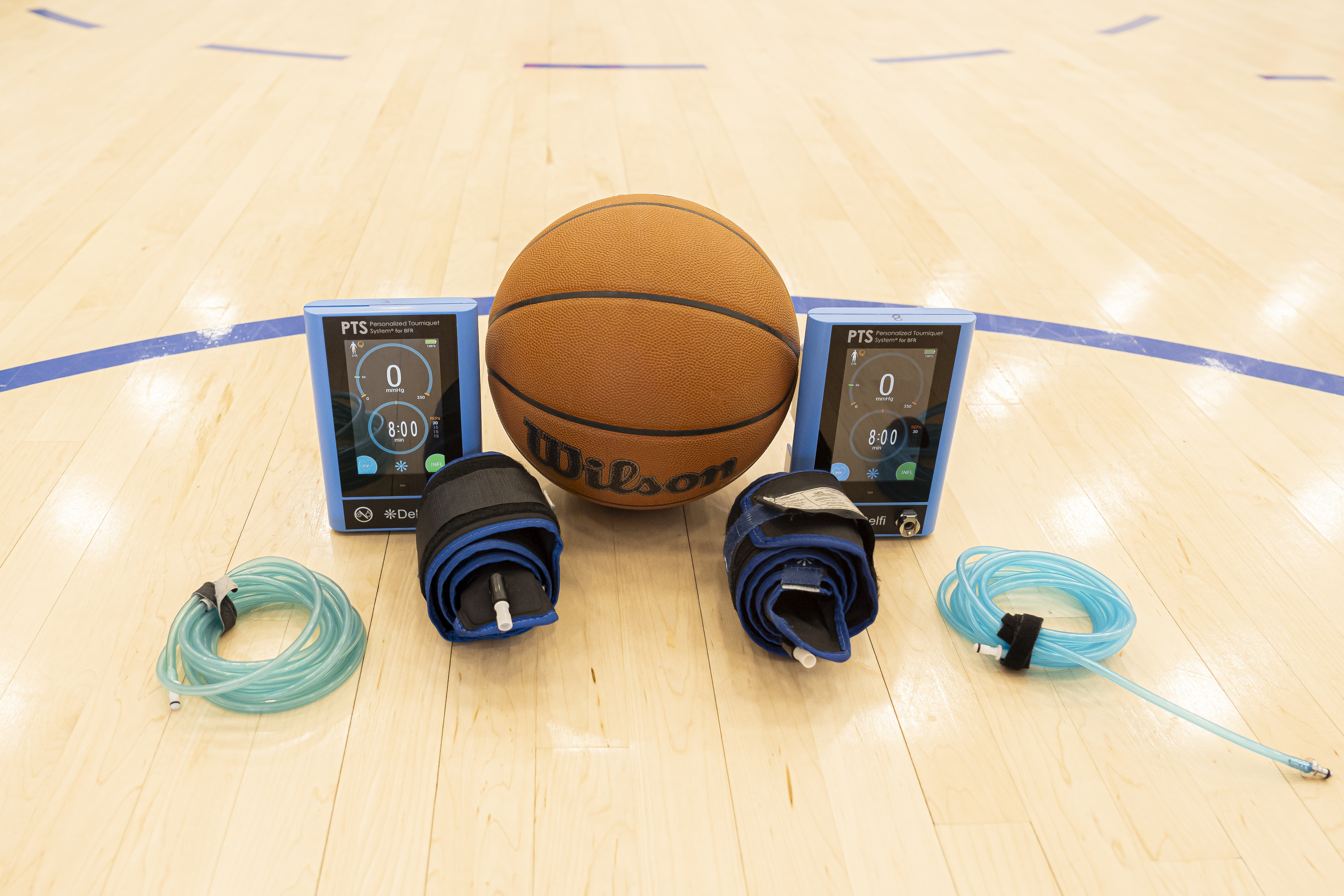
What This Guide Helps You Do
Clarify When BFR Is Appropriate
Make confident calls on when BFR adds value — and when traditional loading is the safer, more effective option.
Identify Where Risk Actually Enters the System
Understand how pressure, exposure, and decision sequencing — not the tool itself — drive most avoidable BFR risk.
Reduce Guesswork in Real-World Application
Reduce uncertainty without adding protocols, prescriptions, or rigid rules.
Get the BFR Decision Guide
A short, decision-focused guide to help reduce unnecessary risk in BFR training.
Download the guide